7
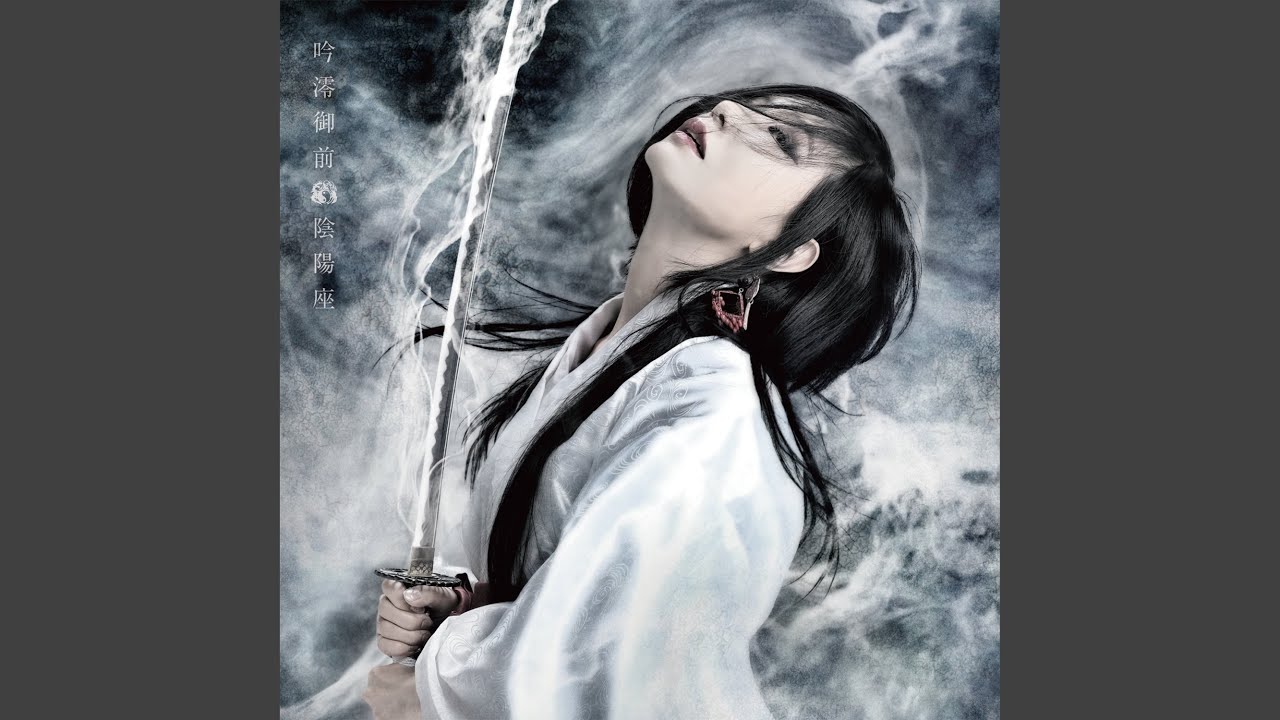
紫苑忍法帖 · Onmyo-za
吟澪御前
℗ King Record Co.,Ltd
Released on: 2025-08-06
Composer: 瞬火
Lyricist: 瞬火
Auto-generated by YouTube.
| kanji | roomaji |
|---|---|
 28-sec intro 28-sec intro |
|
| 名前を 持たずに 生まれ | namae wo motazu ni umareta |
| 野草を 見逸るは 已む無し | yasou wo misoru wa yamu nashi |
| 何かを 訴う 声さえ | nanika wo urutau koe sae |
| 何処かで 無くした 侭で | dokoka de nakushita mama de |
| あなたを 憶う | anata wo omou |
| あなたの 在りし日を | anata no arishi hi wo |
| 行先 累累の 果てに | yukisaki ruirui no hate ni |
| 胸が 病むとも | mune ga yamu to mo |
| わたしの 裡に | watashi no uchi ni |
| あなたの 在る 限り | anata no aru kagiri |
| 零落 犬死にの 相に | narehate inujini no sou ni |
| 呑まれまいと 為るを | nomaremai to suru wo |
| 決して 忘れはしない | keshite wasure wa shinai |
| 生命は 棄てると 覚えた | inochi wa suteru to oboeta |
| 誇りは 掃えと 学んだ | hokori wa harae to mananda |
| 骸は 塵なと 肥なと | mukuro wa chiri na to koe na to |
| 最後は 曝れた 頭よ | saigo wa sareta koube yo |
| あなたを 憶う | anata wo omou |
| あなたの 在りし日を | anata no arishi hi wo |
| 行先 累累の 果てに | yukisaki ruirui no hate ni |
| 胸が 病むとも | mune ga yamu to mo |
| わたしの 裡に | watashi no uchi ni |
| あなたの 在る 限り | anata no aru kagiri |
| 零落 犬死にの 相に | narehate inujini no sou ni |
| 呑まれまいとも | nomaremai to mo |
| 今や | ima ya |
| 何程の 霊が | dorehodo no hi ga |
| 我を 睨みて 手招く | ware wo nemite temaneku |
|
|
| 渾て 荼毘に 付する | subete tabi ni fusuru |
| わたしの 在り方を | watashi no arikata wo |
| 肝先 追憶を 盾に | kimosaki tsuioku wo tate ni |
| 病みを 呑むなら | yami wo nomu nara |
| わたしの 側に | watashi no soba ni |
| あなたは 在り 連る | anata wa ari tsugaru |
| 成り果て 恋死にの 様に | narihate koijini no you ni |
| 散り交じる 二人は | chiri majiru futari wa |
| 決して 離れはしない | keshite hanare wa shinai |
| 誓って | chikatte |
8
地獄 · Onmyo-za
吟澪御前
℗ King Record Co.,Ltd
Released on: 2025-08-06
Composer: 瞬火
Lyricist: 瞬火
Auto-generated by YouTube.
| kanji | roomaji |
|---|---|
 17-sec intro 17-sec intro |
|
| 無想の 雪が | musou no yuki ga |
| わたしを 廻り 舞う | watashi wo meguri mau |
| 真白な 時間が | mashiro na toki ga |
| わたしの 手を 解くの | watashi no te wo hodoku no |
| 今 夢の夢 | ima yume no yume |
| 絵が 飛び出して | e ga tobidashite |
| 視界が 廻る | shikai ga mawaru |
| 根雪の 底は | neyuki no soko wa |
| 身体を 温める 夜具 | kara wo nukumeru yagu |
| 睡りの 儘に | nemuri no mama ni |
| 雪はね 頃 帰るよ | yuki wa ne goro kaeru yo |
| 皆 同じこと | mina onaji koto |
| 眼を 閉じたとき | me wo tojita toki |
| 世界は 終わる | sekai wa owaru |
| 顔のない 狐狸たちが | kao no nai koritachi ga |
| よしなに 生える | yoshina ni oeru |
| 救われぬ 者たちの | sukuwarenu monotachi no |
| 仕事は 其処にある | shigoto wa soko ni aru |
 |
|
| 耳を 塞いで 事もなく | mimi wo fusaide koto mo naku |
| 声を 歪めて 悪怯れず | koe wo yugamete warubirezu |
| にやついて | niyatsuite |
| 鮸膠も無い 鬼たちが | nibe mo nai oni tachi ga |
| 奴らを 守る | yatsura wo mamoru |
| 将来を 語るなら | shourai wo kataru nara |
| もう 触らないで | mou sawaranai de |
| 穢れた 塵たちが | kegareta chiri tachi ga |
| 亡き身を 嗤う | naki mi wo warau |
| 望みなど 説かないで | nozomi nado tokanai de |
| 地獄は 其処にある | jigoku wa soko ni aru |


紫苑忍法帖
無敵のくノ一“カミナリ”の物語は前作『龍凰童子』収録の「静心なく花の散るらむ」で完結したので、今回の「紫苑忍法帖」はそれとは関連のない忍法帖シリーズ、ということになります。とはいえ、無情な戦いに身を置く忍者の悲哀や決意を歌う、というのが忍法帖シリーズの基本理念ですので(そうでない忍法帖もいくつかありますが)、そういう意味では“あのカミナリもこんな気持ちだったに違いない”というような想像を巡らせるのはむしろ自然なことですし、この「紫苑忍法帖」の主人公は別の女忍者ですが、その戦いの道の先に“カミナリ”の姿が垣間見えたとしても何ら不思議はないでしょう。
楽曲としては、紫苑という花の花言葉である「追憶」「あなたを忘れない」というフレーズをモチーフに、戦いの中で散っていった仲間や身内への追憶と、その精神や存在を背負って戦い続ける決意などを歌っています。“戦い”を比喩的に捉えるなら、その感覚自体は血で血を洗う戦いを繰り広げる忍者でなくとも、人間なら誰しもが抱く可能性があるものだと思いますので、これは大切な人の記憶を胸にとどめたまま生き抜いている“あなた”の忍法帖でもあるかもしれません。
gtranslate
The story of the invincible kunoichi Kaminari concluded with 静心なく花の散るらむ (Shizukokoro naku hana no chiruramu; Flowers are falling quietly)* from the previous album, Ryuuou Douji, so this “Shion Ninpouchou” is an unrelated Ninpouchou series.
That said, the basic philosophy of Ninpouchou series (with some exceptions) is to sing of the sorrow and determination of ninjas caught up in merciless battle, so in that sense it’s only natural to imagine that “Kaminari must have felt the same way.”
While the protagonist of “Shion Ninpouchou” is a different female ninja, it wouldn’t be surprising if in the end of her path of battle, we caught a glimpse of “Kaminari”.
The motif of the song itself is based on the flower language of the aster (shion) - “reminiscing” and “I will never forget you,” so singing about remembering comrades and family members who died in battle, as well as the determination to continue fighting while carrying their spirit and existence.
If we think of “battle” metaphorically, I think that feeling itself is something that any human being can have, even if they are not a ninja who fights bloody battles. So this could also be a ninja scroll for “you” who is living through life with the memories of a loved one in your heart.
*ty Zeus post
地獄
地獄というのは悪行を働いた人間が死後に行くところ、ということになっていますが、そのすべてが想像によって語られているものであり、生きている人間で実際に見たという(事実のある)人は一人もいません。むしろ比喩的に言われる“この世の地獄”のほうは、生きている人間が見るものですから実際に味わったことがある人もたくさんいるかもしれません。しかし、本物の地獄には悪人しか落ちないのに対し、この世の地獄を体験させられる人の多くはいたって善良であり、その地獄をもたらす者こそが死後に本物の地獄へ落ちるべき悪人たち、というのが何とも度し難い話です。
ということで、この「地獄」という楽曲で歌われているのは、とある“この世の地獄”についてです。実際の出来事をモチーフにしてはいますが、「累」(アルバム『雷神創世』収録)のように何百年も前の事件についてであれば、もはや伝承や伝説というものになっている部分も大きいため倫理的な抵抗も少ないですが、今回のモチーフについてはあまりに記憶に新しく、あまりに陰惨な内容であるが故に具体的な明言は避けたい意向です。ただ、それと同じような“この世の地獄”は毎日のようにこの世に溢れているということもあり、この楽曲を聴いてくれた方が僕が意図した通りのモチーフに辿り着いた場合でも、別の“この世の地獄”を想起した場合でも、許されざる“地獄の所業”について魂を震わせるという意味ではどちらもまったく等しく価値と意義があると思っています。
gtranslate
Hell is supposed to be the place where evil people go after they die, but this is all based on imagination, and no living person has actually seen it (concretely).
On the other hand, the metaphorical “hell on earth” is something that only living people can see, so there may be many people who have actually experienced it.
However, while only evil people go to real hell, most of the people who experience hell on earth are quite good people. So it’s intolerable to say it’s the evil people who bring about this hell who should go to real hell after death.
And so, this song “jigoku” is about a certain “hell on earth.” While it’s based on a real event, if it’s about something that happened hundreds of years ago, like “Kasane” (from the album “Raijin Sousei”), there’s little ethical controversy as much of it has become a matter of folklore and legend.
However, the motif in this song is so fresh in my memory, and the matter is so appalling, I’d like to avoid making any specific statements.
Nevertheless, similar “hells on earth” are everywhere in this world every day. So whether those who listen to this song arrive at the motif I aimed for, or whether they are reminded of a different “hell on earth;” when it comes to being deeply moved at the thought of unforgivable “deeds of hell,” I think both can be just as valuable and meaningful.